More Than a Warm Welcome: What Omotenashi Is Teaching American Hosts About the Art of Truly Showing Up
There's a particular kind of guest experience that's hard to describe but impossible to forget. You walk into someone's home and somehow the temperature is exactly right. A drink appears before you realize you wanted one. The chair you're sitting in happens to face the window with the best light. Nothing feels staged, yet everything feels considered. You leave thinking, how did they know?
That feeling has a name in Japan. It's called omotenashi — and once you understand it, you start seeing its fingerprints everywhere.
What Omotenashi Actually Means
The word is often translated simply as "hospitality," but that doesn't quite capture it. Omotenashi is closer to anticipatory care — the practice of reading a guest's needs before they're expressed, and meeting them without drawing attention to the effort. There's no expectation of reciprocity. No performance of generosity. Just a quiet, whole-hearted orientation toward the comfort of whoever is in your space.
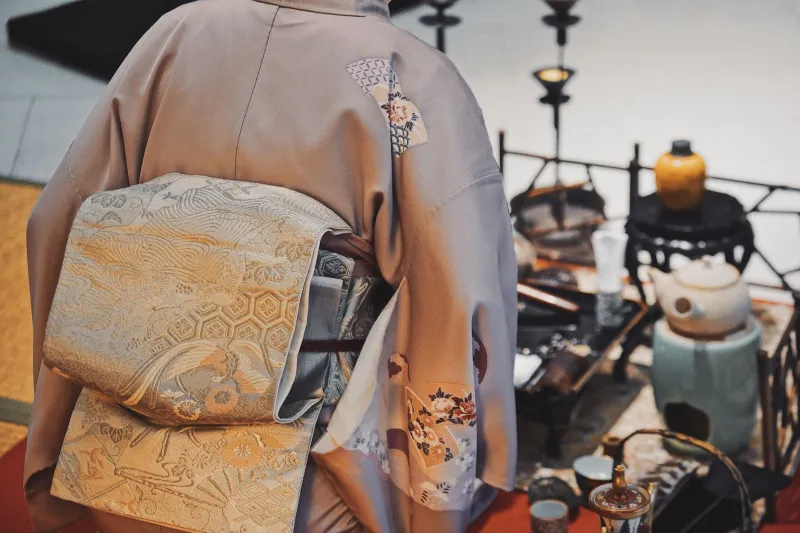
It shows up in Japan's famous ryokan inns, where staff remember guests' tea preferences from a previous visit. It shows up in the meticulous wrapping of a department store purchase, or in the way a restaurant server refills your water glass the moment you set it down. The gesture itself might be small. The intention behind it is anything but.
For Keiko Tanaka, a Japanese American event coordinator based in Portland, Oregon, omotenashi was simply the water she swam in growing up. "My grandmother never said 'let me know if you need anything,'" she explains. "She just already knew. She'd watched you for five minutes and figured it out. That's the whole point — you don't wait to be asked."
The American Hosting Default — And Where It Falls Short
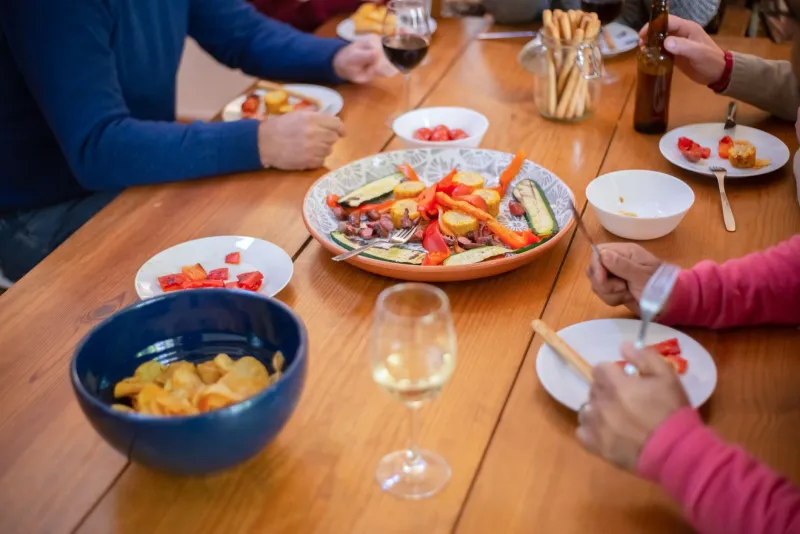
American hospitality has a lot going for it. It tends to be warm, expressive, and genuinely enthusiastic. A good American host greets you loudly, presses food into your hands, and makes sure you feel included in the room. That's real and it matters.
But American hosting culture also leans heavily on the guest doing some of the work. "Make yourself at home" is a classic American phrase — friendly in spirit, but it quietly transfers responsibility. The guest is expected to speak up if they're cold, to ask where the bathroom is, to navigate the buffet table themselves. The host has provided the space and the spread; the rest is up to you.
Omotenashi flips that dynamic. The host has already thought through every variable. The guest's only job is to be present.
Marcus Webb, a Chicago-based home cook who started hosting Japanese-style dinner gatherings after years of attending events at a local Japanese cultural center, noticed the shift immediately when he started applying these principles. "I used to set everything out and just let people figure it out. Now I think about who's coming, what they like, whether anyone has a mobility issue that means I should rearrange the seating. It takes more time upfront, but the evening runs so much smoother — and people feel it, even if they can't name what's different."
Small Gestures, Significant Impact
The beauty of omotenashi is that it doesn't require a bigger budget or a fancier home. It requires attention. Here's what it looks like in practice:
Before guests arrive: Think specifically about who's coming. Does anyone have dietary restrictions you haven't fully accounted for? Is there a guest who tends to run cold — should you have a light blanket on the couch? If someone is driving from far away, have a parking spot or clear directions ready without being asked.
At the door: The Japanese tradition of removing shoes at the entrance isn't just about cleanliness — it's a transition ritual that signals you are entering a cared-for space. Many Japanese American households keep a small collection of guest slippers near the door. It sounds like a detail. It feels like an embrace.
During the gathering: Refill drinks before glasses are empty. Offer food individually rather than gesturing at a table and walking away. Notice who's standing alone and bring someone over to them. Pay attention to the room's energy — if the music is too loud for conversation, turn it down without making it a big announcement.
At the close: In Japan, the host often walks guests all the way to the door — sometimes to the gate, sometimes to the street — and waits until they're out of sight. It's a small act that communicates: your presence here mattered, and it still matters as you leave.
Bringing It Into Community Spaces
Omotenashi isn't only for private homes. Japanese American cultural organizations across the country have long embedded these principles into their public events, and it shows.
At festivals and community gatherings, you'll often notice volunteers stationed not just at information booths, but walking the floor — proactively approaching people who look uncertain, offering directions before anyone has to feel lost or embarrassed. Food stations are thoughtfully labeled, not just for allergies but for the unfamiliar — because a guest who doesn't recognize something on the table shouldn't have to feel awkward about asking.
"We think about the person who's showing up for the first time," says David Mori, a volunteer coordinator at a Japanese cultural center in the San Francisco Bay Area. "They might be nervous. They might not know anyone. Our job is to make them feel like they were expected — because they were."
That last phrase is worth sitting with. They were expected. Not tolerated, not accommodated, but genuinely anticipated.
How to Start — Without Overhauling Everything
You don't need to adopt every element of Japanese hosting culture overnight. Omotenashi is a practice, not a checklist. The shift is really about where your attention goes before and during a gathering.
Start with one question: What does this specific person need to feel genuinely comfortable? Not guests in the abstract — this person, with their personality, their history, their particular kind of shyness or hunger or fatigue.
Answer that question with action, not words. And then don't mention that you did it.
That's the quiet part. Omotenashi doesn't announce itself. It just makes people feel, inexplicably, like they're exactly where they're supposed to be.
And honestly? In a world that often feels rushed and transactional, that's a pretty radical thing to offer someone.