Blossoms, Bento, and Belonging: How Hanami Picnic Culture Is Quietly Rewriting the American Outdoor Table
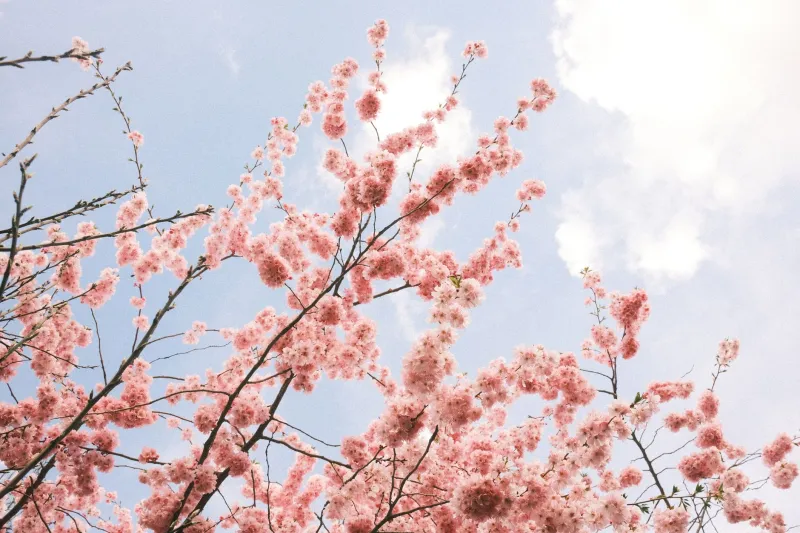
Spring arrives, and something stirs. Maybe it's the itch to finally be outside after a long winter, or maybe it's something deeper — a craving for connection that a backyard barbecue or a restaurant reservation just doesn't quite satisfy. Whatever the cause, a quiet but unmistakable movement is taking root in parks, community gardens, and green spaces across the country. And it traces its roots to Japan.
Hanami — literally "flower viewing" — is one of Japan's most beloved seasonal traditions. For centuries, Japanese families, friends, and coworkers have gathered beneath blooming cherry trees to share food, drink, and presence. But hanami isn't just about looking at flowers. It's a full sensory experience built around impermanence, gratitude, and the deliberate act of being somewhere beautiful together. The food is carefully prepared. The setup is thoughtful. The moment is meant to be savored, not rushed.
That philosophy is resonating with Americans in a way that feels both timely and telling.
More Than a Meal Outside
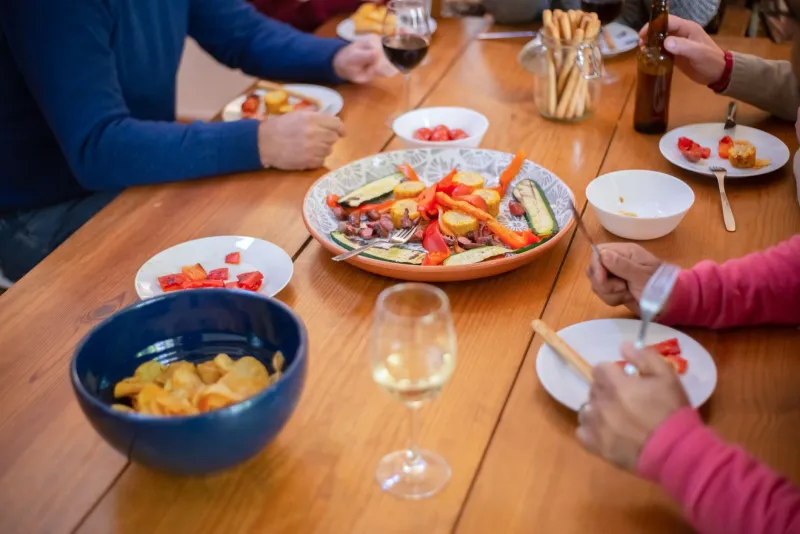
Ask Priya Nakamura — a landscape architect based in Portland, Oregon — what a typical Saturday in April looks like for her friend group, and she'll describe something that might surprise you. "We each bring something we actually made," she says. "Onigiri, tamagoyaki, a little fruit arranged in a bowl. We bring real dishes, cloth napkins. We sit on a proper blanket and we actually stay for a few hours."
Priya's crew stumbled into hanami-style gathering a few years ago after attending a cherry blossom festival at the Portland Japanese Garden. "Something about the way the event felt — the care put into every detail — made us want to recreate it on our own terms," she explains. "We started calling it our 'blossom lunch,' and now it's the thing everyone looks forward to most in spring."
This kind of intentional, aesthetics-driven outdoor dining is popping up in cities from Seattle to Chicago to Washington, D.C. — often among people who have no direct Japanese heritage but who have encountered hanami through festivals, travel, or simply through Japanese food culture's growing footprint in American life.
The Aesthetics of Slowing Down
There's a word in Japanese — kodawari — that describes an almost obsessive attention to craft and detail. It's baked into the way a traditional bento box is assembled: balance of color, texture, flavor, and nutrition all considered in a single compact meal. That sensibility has started showing up in how some Americans are approaching outdoor dining.
In Brooklyn, a loose collective of food lovers calling themselves the "Sunday Spread" has been gathering monthly since 2022 with a rotating theme centered on seasonal ingredients. Co-organizer Tomás Reyes, who first experienced hanami while visiting a friend in Kyoto, credits the trip with changing how he thinks about food as a social act. "In Japan, the meal wasn't the point — or rather, it was part of the point," he says. "The season was the point. Being there, in that specific moment, was the point. I came home wanting to eat like that."
The Sunday Spread now draws 15 to 20 people to Prospect Park on the last Sunday of each month. Each person contributes a dish tied to whatever's at the farmers' market that week. There are real tablecloths. There are flowers. And phones, while not banned, tend to stay in pockets. "People talk," Tomás says, laughing. "Like, actually talk. For hours. I didn't realize how much I missed that."
What Hanami Is Really Offering Us
It would be easy to frame this trend as aesthetic borrowing — Americans discovering another beautiful thing from Japanese culture and making it their own. And that's part of it. But the deeper pull seems to be philosophical.
Hanami is rooted in mono no aware, a Japanese concept often translated as "the bittersweet awareness of impermanence." Cherry blossoms bloom for only a week or two. Their beauty is inseparable from their brevity. Gathering beneath them is, at its core, an act of paying attention — to the season, to the people around you, to the specific texture of a moment that won't come back.
In an era defined by distraction, overscheduling, and the creeping sense that we're always somewhere other than where we are, that's a genuinely radical proposition.
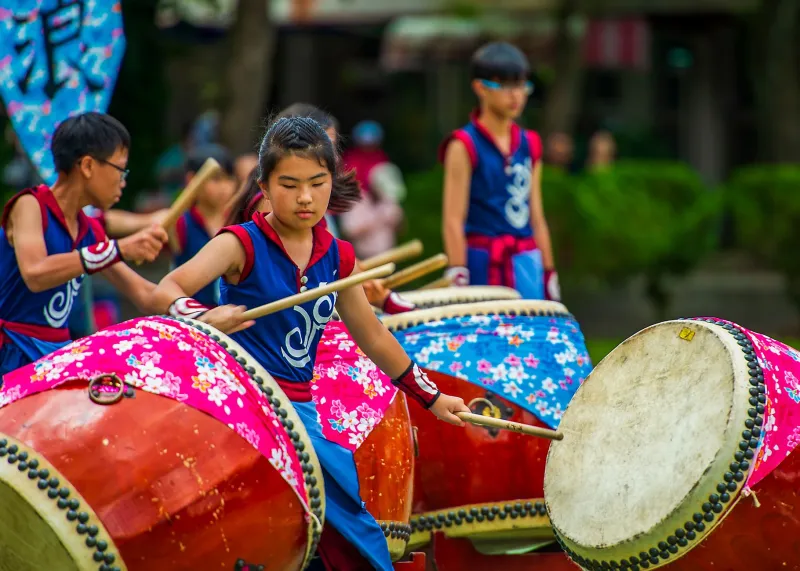
Japanese American community organizations have noticed the appetite. Several cultural centers and Japanese festival organizers across the country have expanded their hanami programming in recent years, welcoming both Japanese American families continuing a family tradition and newcomers encountering the practice for the first time. "What we see is that people are hungry for ritual," says one festival coordinator in the San Francisco Bay Area. "They want something that marks the season, that brings people together around something beautiful. Hanami does all of that."
Bringing the Tradition Home — Thoughtfully
Of course, any conversation about cultural adoption deserves a moment of honesty. Hanami is a living tradition with deep roots in Japanese history and identity. Loving it is great. Flattening it into an aesthetic is something else.
The most meaningful versions of this movement — the ones that seem to actually nourish people — tend to involve genuine curiosity about the tradition's origins. Participants read about hanami, visit Japanese cultural events, cook Japanese recipes with care, and often connect with Japanese American communities in their city. The picnic becomes a doorway, not a destination.
"We always try to learn something new each year," says Priya in Portland. "Last spring we made proper dashi from scratch for a soup we brought in thermoses. This year we want to try making our own wagashi." She pauses. "It keeps it from feeling like a costume. It makes it feel like a conversation."
A New Kind of American Picnic
America has always had a picnic culture — from Fourth of July cookouts to tailgates to church potlucks. But what the hanami-inspired movement seems to be offering is something distinct: a picnic with intention. One where the food is made, not grabbed. Where the setting is considered, not incidental. Where the people stay long enough to actually be present with each other.
That's not a small thing. In a country where loneliness has become a genuine public health concern, the idea that a blanket, a bento box, and a blooming tree might be part of the answer feels both humble and quietly revolutionary.
Spring is short. The blossoms fall. Gather while you can.