Bring a Dish, Build a Block: How Mochiyori Is Quietly Changing the Way American Neighbors Connect
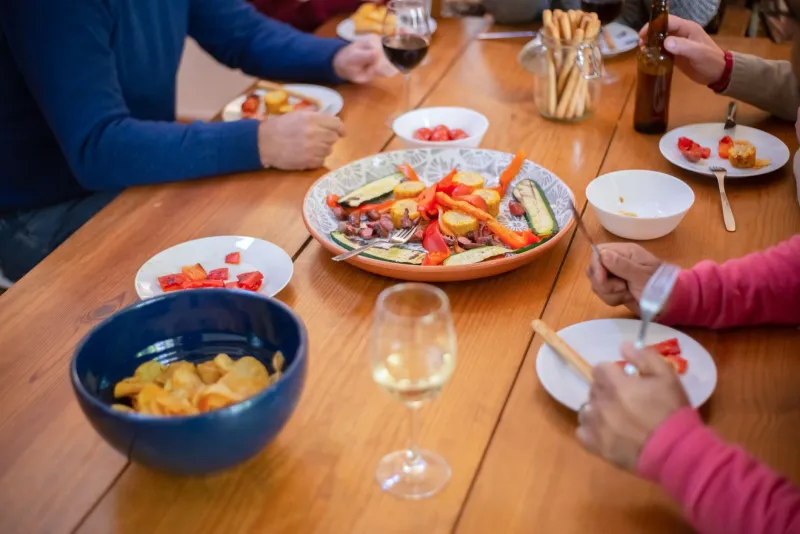
There's a potluck, and then there's mochiyori. On the surface, they look almost identical — a folding table, a crowd of neighbors, a spread of food that nobody planned together. But spend a little time around Japanese American community groups in cities like Los Angeles or Seattle, and you start to notice a real difference in the energy of the thing.
Mochiyori, loosely translated, means "each person brings what they have to offer." The word comes from the verb mochiyoru — to bring together — and while the concept has obvious culinary applications, it carries a social weight that goes well beyond deciding whether to bring pasta salad or potato chips. It's a practice built on the idea that contribution is an act of respect. What you bring reflects who you are, what you value, and how seriously you take your relationship to the group.
And increasingly, it's an idea that's resonating far beyond Japanese American circles.
More Than a Meal: The Philosophy Behind the Dish
In Japan, mochiyori gatherings have long been a staple of neighborhood life, workplace culture, and seasonal celebrations. Unlike a Western potluck — which tends to operate on a "just bring something" basis — a mochiyori often involves a quiet, unspoken coordination. Guests think about balance. They consider what others might bring. They arrive with something that fits, not just something that's easy.
That sense of intentionality is exactly what's been catching the attention of community organizers in the US.
"It reframes the whole event," says one longtime member of a Japanese American community association in Los Angeles's Sawtelle neighborhood, a corridor long known for its Japanese restaurants and cultural businesses. "When you ask someone to 'just bring something,' they show up with a bag of chips and feel fine about it. When you explain the idea of mochiyori — that what you bring is a little bit of yourself — people take it seriously. They get excited about it."
The result, community members say, is a noticeably different atmosphere at the table. Conversations start around the food itself. People explain their dishes, their family recipes, their cultural backgrounds. The meal becomes a kind of autobiography.
Seattle's Neighborhood Experiment
In Seattle's Central District — a neighborhood with deep roots in both African American and Japanese American history — a local block association has been quietly incorporating mochiyori principles into its annual summer gathering for the past several years. The shift started when a Japanese American resident proposed tweaking the event format after attending a similar gathering through her family's cultural organization.
Instead of a sign-up sheet with columns for "main dish," "side," and "dessert," organizers began sending a short note with each invitation explaining the mochiyori concept. They asked neighbors to bring something that meant something to them — a dish from their heritage, a recipe passed down from a grandparent, or simply something they'd been proud to make recently.
The change was small. The effect was significant.
"We had families bringing Eritrean injera, Filipino adobo, Japanese onigiri, Southern-style greens — all at the same table," one organizer recalled. "And because everyone had a story to tell about what they brought, we actually talked to each other. Like, really talked. It wasn't just small talk about the weather."
That's the connective tissue mochiyori seems to provide: a built-in reason to share something personal, wrapped in the low-stakes format of sharing food.
Chicago's Bento Influence
In Chicago, a Japanese American cultural group based in the Andersonville neighborhood has taken the concept a step further, introducing what they call a "bento mochiyori" format to their community events. Borrowing from the careful, compartmentalized artistry of the Japanese bento box, participants are encouraged to bring dishes that are portioned and presented with care — not elaborate, just considered.
The group hosts seasonal gatherings that now draw a genuinely mixed crowd, including longtime members of Chicago's Japanese American community, newer transplants from Japan, and curious neighbors with no Japanese background at all.
"The bento idea gives people a framework," explains one of the group's organizers. "It's not about being fancy. It's about showing that you put thought into it. Even if you bring store-bought mochi, you plate it nicely. You think about it. That energy is contagious."
The group has also started offering short informal talks at their events about the cultural roots of what's on the table — not in a lecturing way, but in the spirit of sharing context. A dish of chawanmushi might come with a two-minute story about its origins. A neighbor's tamales might prompt a conversation about the similarities between Japanese and Mexican traditions of communal food preparation around holidays.
Why It's Working in America Right Now
Food anthropologists and community organizers alike have noted that Americans are hungry — in both senses — for more meaningful ways to connect with their neighbors. Decades of suburban sprawl, digital distraction, and increasingly scheduled social lives have left a lot of people feeling like they live near their neighbors without really knowing them.
Mochiyori, as a framework, offers something that doesn't require a lot of infrastructure or money. It just requires a shift in intention.
There's also something particularly fitting about the current cultural moment. As American communities become more diverse and as interest in global food traditions continues to grow, mochiyori provides a natural, non-awkward way to celebrate that diversity. It's an invitation, not a demand. It says: bring what's yours, and let's see what we make together.
A Tradition Worth Passing On
For the Japanese American communities that have long practiced mochiyori, watching it spread to broader audiences is a quietly meaningful thing. It's not about cultural ownership — it's about cultural generosity. Sharing a practice that has brought people together across generations, and watching it do the same thing in a new context, is its own kind of gift.
If you're involved in a neighborhood association, a community garden, a school parent group, or really any gathering of humans who could stand to know each other a little better, it might be worth trying. Don't overthink the food. Think about the intention.
Bring something that's a little bit you. See what happens.