One Bowl, One Moment: Why Americans Are Finding Community at the Bottom of a Tea Cup
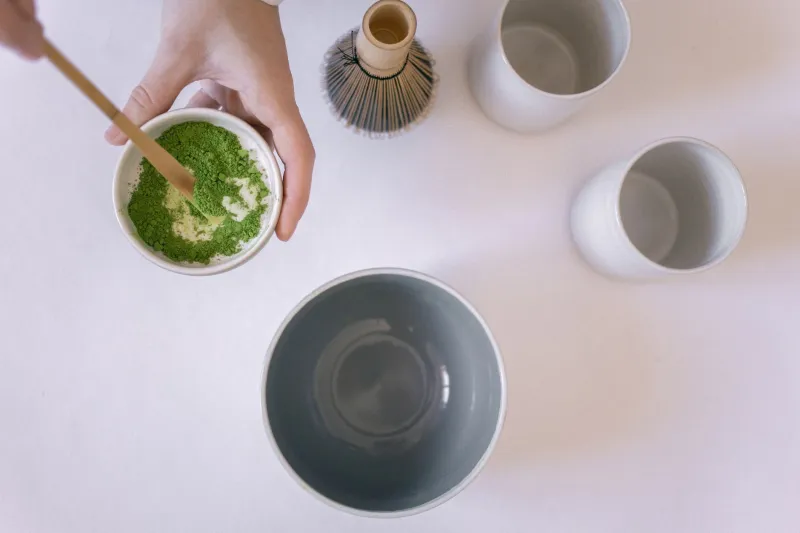
It starts with a bowl. Not a mug grabbed off a shelf while scrolling your phone, but a handmade ceramic bowl, warm in both hands, holding tea that someone prepared with their full and undivided attention. For a growing number of Americans, that simple exchange is becoming something close to revolutionary.
Chado — literally "the way of tea" — is the centuries-old Japanese practice built around the preparation and sharing of matcha in a spirit of deep presence. Most people in the US, if they've heard of it at all, picture something remote: a tatami room, elaborate robes, movements so precise they seem choreographed. And sure, the classical form is all of that. But what's quietly spreading across American cities right now looks a little different — and feels a lot more accessible than anyone expected.
More Than Matcha
Ask Renee Castillo, a middle school art teacher in Portland, Oregon, what drew her to tea ceremony, and she doesn't mention aesthetics. She mentions her phone.
"I was exhausted in a way that sleep didn't fix," she says. "I'd read about chado in a book and thought, okay, I'll try a class. I figured it would be relaxing. I did not expect it to completely change how I pay attention."
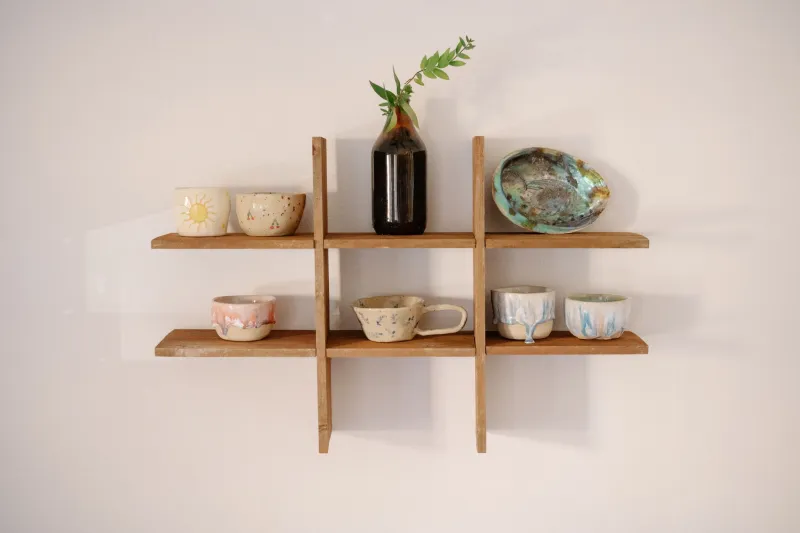
Renee now hosts informal tea gatherings in her living room once a month, inviting neighbors and colleagues who are mostly curious beginners. Nobody wears a kimono. The bowls are a mix of Japanese ceramics she's collected and a couple of pieces she made herself. What she does hold onto are the four principles that undergird the practice: wa (harmony), kei (respect), sei (purity), and jaku (tranquility).
"Those four words are basically a checklist for how to be present with another person," she says. "Which sounds simple until you realize how rarely we actually do it."
Why Now?
The timing of chado's American moment isn't really a mystery. After years of pandemic isolation followed by a return to a world that somehow felt even louder and more fragmented, people are actively looking for practices that create real stillness — not the simulated kind you scroll past on a wellness app.
Japanese cultural organizations across the country have noticed the uptick. The Urasenke Foundation, which has long offered chado instruction in cities including New York, San Francisco, and Honolulu, has seen steady growth in interest from participants with no prior connection to Japanese culture. Community centers affiliated with Japanese American organizations in cities like Los Angeles, Chicago, and Seattle are increasingly fielding requests for introductory workshops.
What's drawing people in, instructors consistently say, isn't the aesthetics — though those are genuinely beautiful. It's the structure. Chado gives you a reason to put your phone in another room. It gives you a reason to sit with someone for forty-five minutes and do nothing except be there with them. In 2025, that kind of permission feels like a gift.
The Corporate Wellness Angle Nobody Saw Coming
Here's a detail that might surprise you: tea ceremony is showing up in workplace wellness programs.
A handful of companies in tech-heavy metros — particularly in the Bay Area and the Pacific Northwest — have begun bringing in certified chado instructors for team sessions. The pitch isn't spiritual. It's practical: chado demands that you slow your movements, coordinate with others, and resist the urge to multitask. For teams wrecked by Slack fatigue and back-to-back Zoom calls, an hour of intentional stillness turns out to be genuinely restorative.
"People walk in skeptical and walk out quiet in a good way," says one instructor who leads corporate sessions in San Jose. "It's hard to explain until you've done it. The ceremony creates a container. Everyone inside it agrees, for this period of time, to be fully here."
What Actually Happens in a Tea Gathering
If you're picturing something intimidating, take a breath. A casual, community-style chado gathering — the kind most beginners will encounter first — is genuinely low-key.
Guests arrive and are often served a small sweet before the tea, which balances the bitterness of matcha. The host prepares each bowl with measured, deliberate movements: scooping tea, adding hot water, whisking in a specific pattern until the surface is smooth and lightly frothy. The bowl is offered and received with both hands. You drink. You're present. That's most of it.
The formality scales with the context. A classical chaji (a full tea gathering) can last four hours and involves a meal, multiple types of tea, and precise seasonal considerations. Most American beginners will start somewhere far less demanding — a ninety-minute workshop, a community gathering, a friend's living room — and find that even a simplified version lands with unexpected weight.
How to Find Your First Experience
If you're ready to try it, you have more options than you might think.
Urasenke and Omotesenke school affiliates maintain teaching locations in major US cities. Urasenke Tankokai chapters in New York, Los Angeles, San Francisco, Chicago, and Honolulu offer classes ranging from single-session introductions to longer study programs. Their websites list local contacts and upcoming events.
Japanese American cultural and community centers are a great starting point, especially if you want a relaxed, community-oriented introduction. Organizations like the Japanese American Cultural and Community Center in Los Angeles, the Japan Society in New York, and the Seattle Japanese Garden regularly host tea demonstrations and beginner workshops.
Local Japanese gardens across the country — from the Portland Japanese Garden to the Shofuso Japanese Cultural Center in Philadelphia — often schedule seasonal tea events tied to holidays and cultural observances. These are usually open to the public and require no prior experience.
Community classes are also popping up in unexpected places: yoga studios, arts centers, and even some public libraries in cities with active Japanese American communities. Searching "chado class" or "Japanese tea ceremony workshop" alongside your city is increasingly likely to turn up something real.
The Principle That Sticks
Ask almost anyone who's practiced chado for more than a few months which of the four principles hit hardest, and the answer tends to be the same: ichi-go ichi-e. It's not one of the core four, exactly — more of a guiding philosophy — and it translates roughly as "one time, one meeting." The idea that this gathering, this bowl, this moment with these people will never happen again in quite this way.
For Americans used to treating most social interactions as replicable and most moments as content, that's a quietly radical reframe.
"It made me stop trying to document everything," Renee Castillo says. "You can't really photograph a tea gathering and also be in one. So I stopped trying. That alone changed something."
One bowl. One moment. It turns out that's enough — and maybe more than enough — to begin.