Chasing the Season: How an Ancient Japanese Poetic Tradition Is Pulling Americans Off the Trend Treadmill

Somewhere between your third pumpkin spice latte of October and the Christmas decorations that appeared at Target before Halloween, you may have felt it — a low hum of exhaustion. Not tiredness exactly. More like the feeling of being perpetually out of sync with something you can't quite name.
A growing number of Americans are naming it now, and the name they're reaching for comes from an unexpected place: classical Japanese poetry.
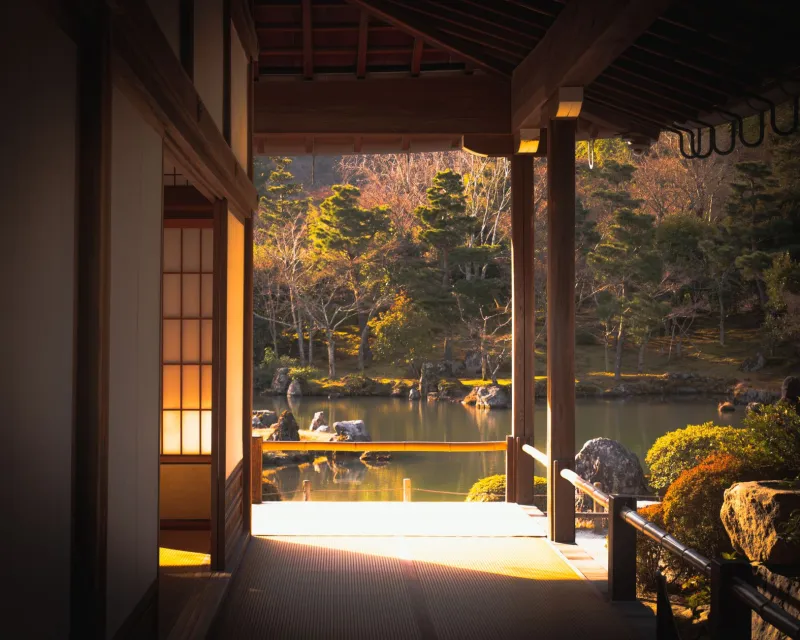
Kigo — pronounced kee-go — are seasonal reference words used in haiku and other traditional Japanese verse. A single kigo word carries enormous weight: it signals not just a time of year but an entire emotional and sensory world. Cherry blossoms aren't just pretty; they're a kigo for spring, impermanence, renewal. The sound of a wind chime (furin) belongs to summer. Persimmons to autumn. The stillness of snow to winter.
In Japan, kigo have shaped poetry for centuries. Now they're shaping something else entirely: the way a quiet but passionate community of Americans is choosing to live.
The Problem With Trend Culture
Let's be honest about what we're up against. American consumer culture runs on manufactured urgency. Fashion cycles that used to change twice a year now churn weekly. Social media feeds refresh in real time. Seasonal boundaries have been all but erased — you can buy strawberries in December and sweaters in July. The result is a kind of perpetual present tense that leaves a lot of people feeling strangely unmoored.
Naomi R., a textile artist in Portland who began studying Japanese craft traditions several years ago, puts it plainly: "I used to feel this constant low-grade anxiety about being behind on something. A trend I'd missed, a sale I didn't catch. When I started learning about kigo, I realized I'd never actually given myself permission to just be in the season I was in."
That permission, it turns out, is kind of radical.
What Living by Kigo Actually Looks Like
Adopting a kigo-influenced approach to daily life doesn't require writing haiku (though plenty of people do start). It's less a practice and more a reorientation — a deliberate decision to let the natural world set the tempo rather than the algorithm.
In practice, this might look like:
Wardrobe: Instead of buying whatever's trending, people who follow this approach dress for what's actually happening outside. Natural fibers that breathe in summer. Layering in the transition months. The Japanese concept of kisetsukan — seasonal sensibility — means you're not fighting the weather, you're in conversation with it. Several women in a Japanese American cultural circle in the Bay Area describe a collective shift away from fast fashion toward fewer, more intentional pieces that genuinely suit the season they live in.
Food: This is where kigo culture shows up most naturally for a lot of Americans. Farmers market culture already nudges people in this direction, but kigo gives it an almost poetic intentionality. You're not just buying local asparagus because it's healthy — you're marking spring. You're participating in something ancient.
Social calendars: Rather than cramming plans into every weekend year-round, some people are starting to organize their social lives around seasonal anchors — hanami gatherings in spring, outdoor dinners in summer, quiet indoor evenings in winter. Less FOMO, more mono no aware (the bittersweet appreciation of things that pass).
The Quiet Rebellion
There's something almost countercultural about all of this, and the people who've adopted it know it.
"Fast fashion wants you to feel like whatever you own right now is already wrong," says Marcus W., who joined a Japanese cultural arts group in Austin after a period of what he calls "consumption burnout." "Kigo is the opposite of that. It says: what's right is what's real, what's here, what's now in the natural world. And that's actually enough."
This is where the connection to Japanese American cultural communities becomes especially meaningful. Organizations and gatherings that celebrate Japanese seasonal traditions — hanami picnics, autumn moon-viewing (tsukimi) events, new year (oshōgatsu) celebrations — aren't just preserving heritage. They're modeling an alternative relationship with time itself. One that many Americans, regardless of background, are hungry for.
Kigo and the Slowing Down of Everything
There's a mental health dimension here that's hard to ignore. Therapists and wellness practitioners across the country have been pointing to "temporal disorientation" — the loss of natural rhythms — as a contributor to anxiety and burnout. When every day looks more or less the same, when seasons blend into each other, something in the human nervous system struggles.
Kigo offers a gentle corrective. It says: pay attention. The light is changing. The air smells different this week than it did last week. There's a word for this moment, and people have been noticing it for a thousand years.
For Naomi, that's the deepest gift. "It's not about being anti-technology or living off the grid. It's just about having one foot in something that moves at the pace of the actual world. The seasons don't care about your algorithm. And honestly? That's incredibly comforting."
How to Start
If this resonates, the entry point is simpler than you might think. Pick up a beginner's guide to haiku and start noticing the kigo words. Attend a seasonal event at a Japanese cultural center near you — many host moon-viewing evenings, plum blossom celebrations, or end-of-summer wind-chime festivals. Start small: one seasonal meal a week, one intentional walk to mark the turning of the month.
You don't have to write poetry to live poetically. You just have to start paying attention to what the world is already telling you.
And right now, whatever season you're in — it's telling you something worth hearing.