Soak Together, Arrive Alone: How America's Bathhouse Revival Is Quietly Fighting Loneliness
You arrive by yourself. You don't know anyone. There's no agenda, no small talk required, no one checking whether you're networking or having fun. You lower yourself into hot water, and for a while, you are simply a body in the presence of other bodies — warm, quiet, and completely off the hook.
This is the experience at the heart of Japanese bathhouse culture — onsen (natural hot spring baths) and sento (public bathhouses) — and it's finding a surprisingly eager audience in cities across the United States. Not just among Japanese Americans for whom these spaces carry cultural memory, but among a much broader cross-section of Americans who are, whether they'd frame it this way or not, desperately lonely.
The US Surgeon General declared loneliness a public health epidemic in 2023. The numbers are stark: millions of Americans report having no close friends, spending most of their leisure time alone, and feeling profoundly disconnected from their communities. And yet the solutions most often proposed — apps, meetups, therapy, team sports — require a kind of social readiness that lonely people often don't have. You have to show up already willing to connect.
Bathhouses ask something different of you. They ask almost nothing at all.
What a Sento Actually Is
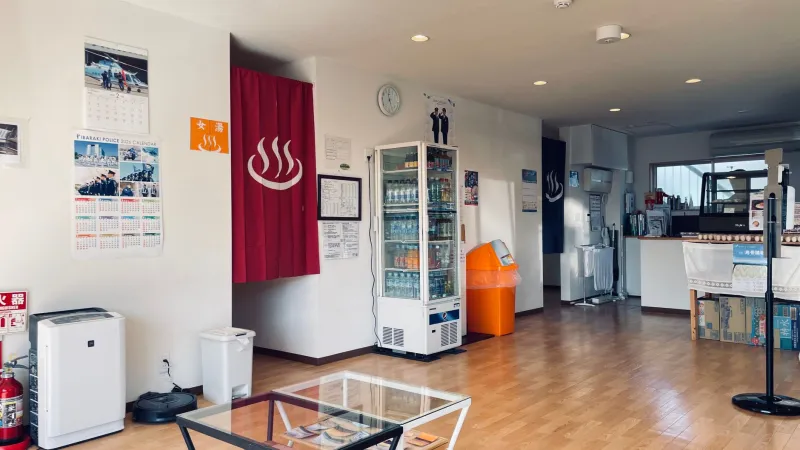
For Americans unfamiliar with the tradition, a quick orientation: sento are public bathhouses that have been a fixture of Japanese community life for centuries. Before home bathing was common, they were practical necessities. But even as private bathrooms became standard, many sento survived — because the Japanese understood, perhaps intuitively, that bathing together served a social function that bathing alone never could.
Onsen are their natural hot spring counterparts, often located in rural or mountainous areas, and carry a deeper association with rest, healing, and seasonal travel. Both traditions share a core set of values: cleanliness, quiet, and the particular democracy of shared water. Everyone is equal in a bath. Status, profession, and social performance don't survive the locker room.
In Japan, regulars at neighborhood sento often develop the kind of casual, low-stakes familiarity that Americans associate with — but rarely experience at — their local coffee shop or bar. You see the same faces. You nod. Sometimes you talk, often you don't. The connection happens anyway.
The American Bathhouse Moment
Across the US, a new generation of bathhouse-style facilities is opening — and filling up. In Los Angeles, Seattle, New York, Chicago, and beyond, Japanese-inspired communal bathing spaces are reporting waitlists and return visitors who describe the experience in terms that sound more therapeutic than recreational.
Some of these spaces are explicitly rooted in Japanese tradition, operated by Japanese American owners who see their work as cultural stewardship as much as business. Others draw from the tradition more loosely, blending onsen aesthetics with Korean jjimjilbang customs or Scandinavian sauna culture. What they share is the structure: communal water, minimal stimulation, an unspoken agreement to be present without performing.
At a Japanese-style bathhouse in the Pacific Northwest that opened in the last few years, the owner — a Japanese American woman whose family operated a sento in California for decades before the community around it dispersed — describes her clientele as "people who are tired of wellness that still requires them to be on."
"Yoga class, you're being watched," she says. "Meditation apps, you're being guided. Here, you just sit in the water. Nobody needs anything from you. That's rarer than people realize."
Structured Vulnerability Without the Script
Psychologists who study loneliness and social connection often point to a phenomenon called "ambient belonging" — the low-level sense of connection that comes from simply being in the presence of others, even without direct interaction. It's what you feel on a busy train, in a library, at a park. It's not friendship. But it's not nothing, either.
Communal bathhouses generate ambient belonging at an unusually high intensity. You are physically close to other people. The environment is warm, quiet, and sensory. The rules of the space — don't be loud, don't stare, don't bring your phone — create a kind of shared agreement that feels almost ceremonial. Everyone is participating in the same experience of stepping out of ordinary social life.
For people who find conventional socializing exhausting — whether due to anxiety, introversion, neurodivergence, or simple burnout — this structure is a gift. You don't have to know how to start a conversation. You don't have to be funny or interesting. You just have to be there, in the water, doing the same thing everyone else is doing.
And yet, conversations do happen. Regulars at Japanese American community bathhouse events often describe the particular quality of bathhouse talk — unhurried, honest, surprisingly deep. When you're already physically vulnerable, stripped of the armor of clothing and context, the social armor tends to soften too.
The Cultural Event Angle
Japanese American organizations across the country have started incorporating bathhouse and onsen-style experiences into their cultural programming — sometimes at existing facilities, sometimes as pop-up events at community centers or outdoor hot spring sites. These events serve a dual purpose: introducing broader audiences to a meaningful Japanese cultural tradition, and creating the kind of low-pressure communal space that's increasingly hard to find.
A cultural organization in Northern California recently hosted a series of sento-inspired evening events at a local Japanese garden, featuring traditional bathing rituals, seasonal aromatics, and guided quiet time. The events sold out within days. The feedback, organizers say, was less about the novelty and more about the relief. People kept using the same word: exhale.
That's not an accident. Japanese bathing culture was never designed to be exciting. It was designed to be restorative — for the body, yes, but also for the particular kind of exhaustion that comes from being a person among people, performing and managing and connecting at full volume, all the time.
Finding Your Soak
If you're curious about experiencing this for yourself, the good news is that access is growing. Japanese American cultural organizations in many major cities can point you toward authentic bathhouse experiences, community events, or onsen-adjacent facilities worth visiting. Some community centers host periodic bathing-culture events that are specifically designed as welcoming entry points for newcomers.
When you go, the etiquette is simple: wash thoroughly before entering shared water, keep your voice low, leave your phone in the locker, and resist the urge to fill the silence. The silence, it turns out, is the whole point.
In a culture that treats loneliness as a problem to be solved through more connection — more events, more apps, more structured socializing — Japanese bathhouse culture offers a quieter proposition. Maybe what we need isn't more interaction. Maybe we need better presence. With others, in shared water, with nowhere to be and nothing to prove.
That's not a spa day. That's something much older, and much more necessary.