Your Japanese Cultural Festival Bucket List: Must-Visit Events Happening All Over the US This Year
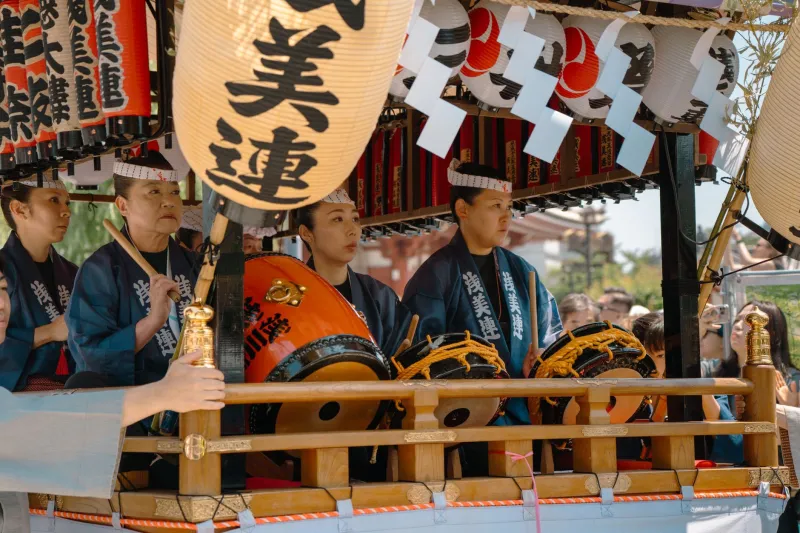
Let's be honest — there's something genuinely magical about stumbling into a Japanese cultural festival on a warm spring afternoon. The air smells like yakitori and sweet mochi. Somewhere nearby, a taiko ensemble is shaking the ground beneath your feet. Kids are trying on yukata for the first time, and someone's grandmother is showing a curious teenager how to fold a paper crane. These aren't just events. They're living, breathing windows into one of the world's most beautiful cultures — and they're happening right here in the United States.
This year, the Japanese cultural festival scene across America is as vibrant as ever. Whether you're on the East Coast, the West Coast, or somewhere in the middle, chances are there's a celebration worth making a weekend trip for. We've rounded up some of the best, along with what to expect when you get there.
Washington D.C.'s National Cherry Blossom Festival
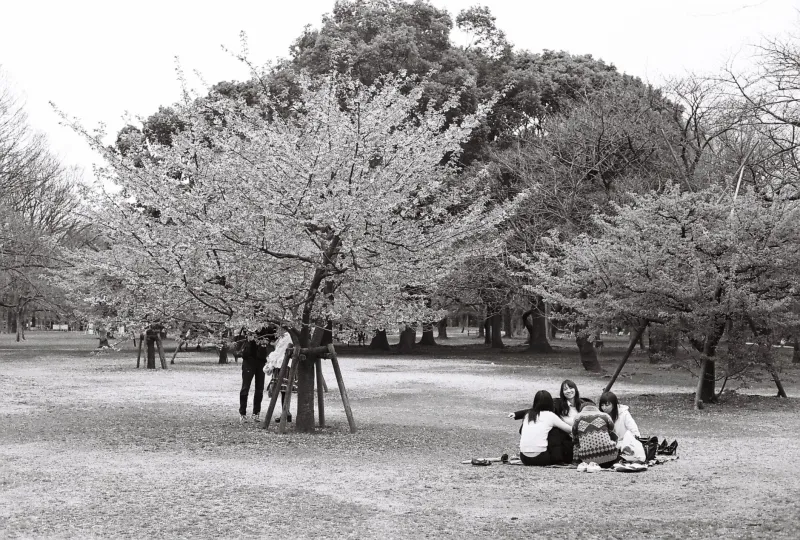
If you only make it to one Japanese-inspired event this year, the National Cherry Blossom Festival in Washington D.C. is a strong contender for the top spot. Every spring, the Tidal Basin transforms into something out of a dream — thousands of cherry trees gifted by Japan in 1912 burst into pale pink bloom, drawing over a million visitors each year.
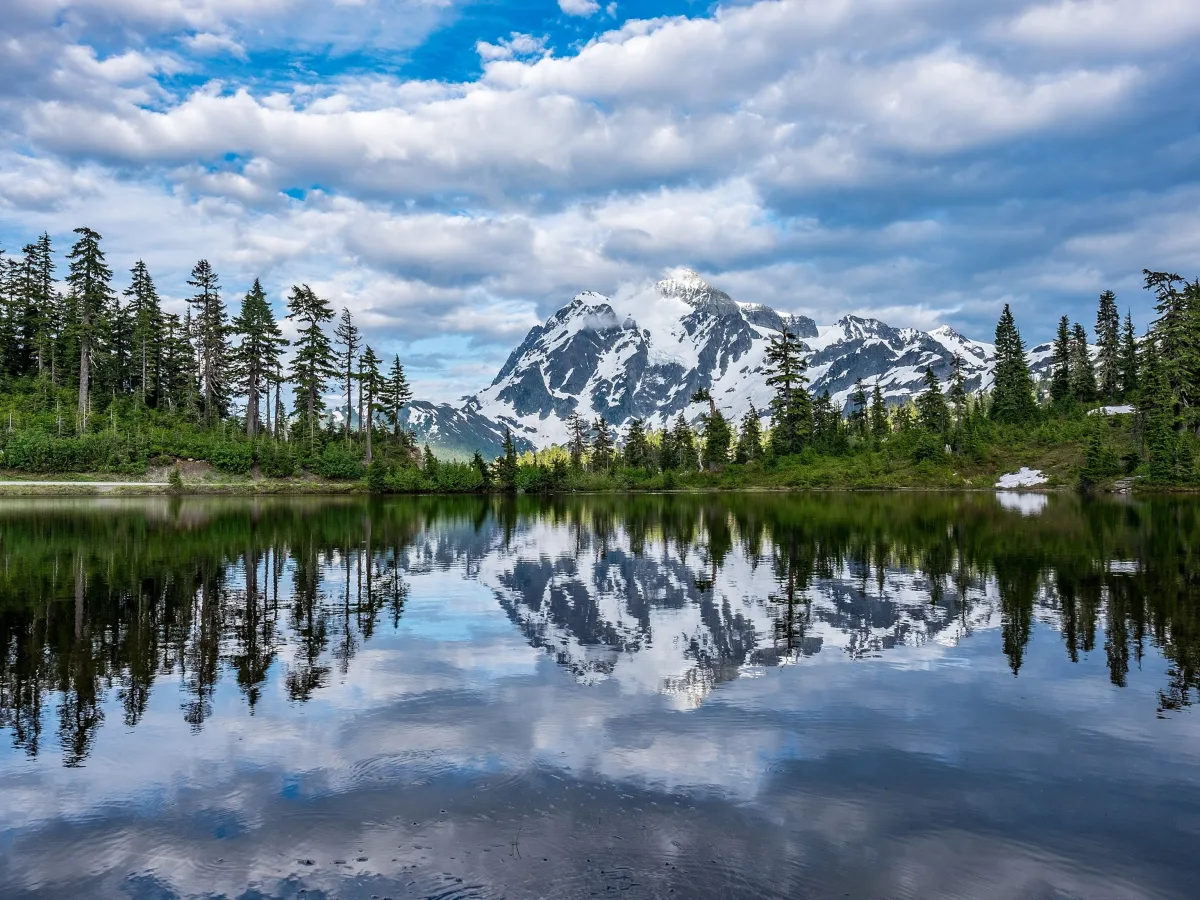 Photo: National Cherry Blossom Festival, via i.natgeofe.com
But the festival is way more than pretty flowers. The programming spans weeks and includes traditional Japanese music and dance performances, a kite festival on the National Mall, and the iconic Blossom Kite Festival. The Japan Information & Culture Center typically hosts cultural demonstrations like ikebana (flower arranging), calligraphy workshops, and tea ceremony exhibitions. It's an incredible entry point for anyone who wants a broad introduction to Japanese arts and traditions without hopping on a flight to Tokyo.
Pro tip: Go on a weekday if you can. Weekend crowds around the Tidal Basin can be intense, especially during peak bloom.
Obon Festivals in Los Angeles
If D.C. leans toward the aesthetic side of Japanese culture, Obon festivals in Los Angeles go straight for the heart of it. Obon is a Buddhist tradition rooted in honoring the spirits of ancestors, and it's celebrated with community dancing called Bon Odori, lantern lighting, and festive food stalls. The Little Tokyo neighborhood and various Buddhist temples across the greater LA area host Obon celebrations throughout the summer months.
What makes LA's Obon scene so special is the sheer diversity of communities involved. Japanese Americans who've been celebrating for generations stand side by side with newcomers learning the dances for the first time. The Bon Odori itself — circular, rhythmic, and genuinely welcoming — is something you can jump into even if you've never done it before. Nobody's judging your footwork.
Food-wise, expect shaved ice, teriyaki, somen noodles, and all manner of festival snacks. Many events also feature taiko performances, martial arts demonstrations, and craft vendors selling handmade goods.
The Sakura Matsuri in Brooklyn
New York City's Brooklyn Botanic Garden hosts one of the largest Japanese cultural festivals on the East Coast every spring — the Sakura Matsuri. Spread across an entire weekend, it features over 60 performances and cultural demonstrations packed into the garden's gorgeous grounds.
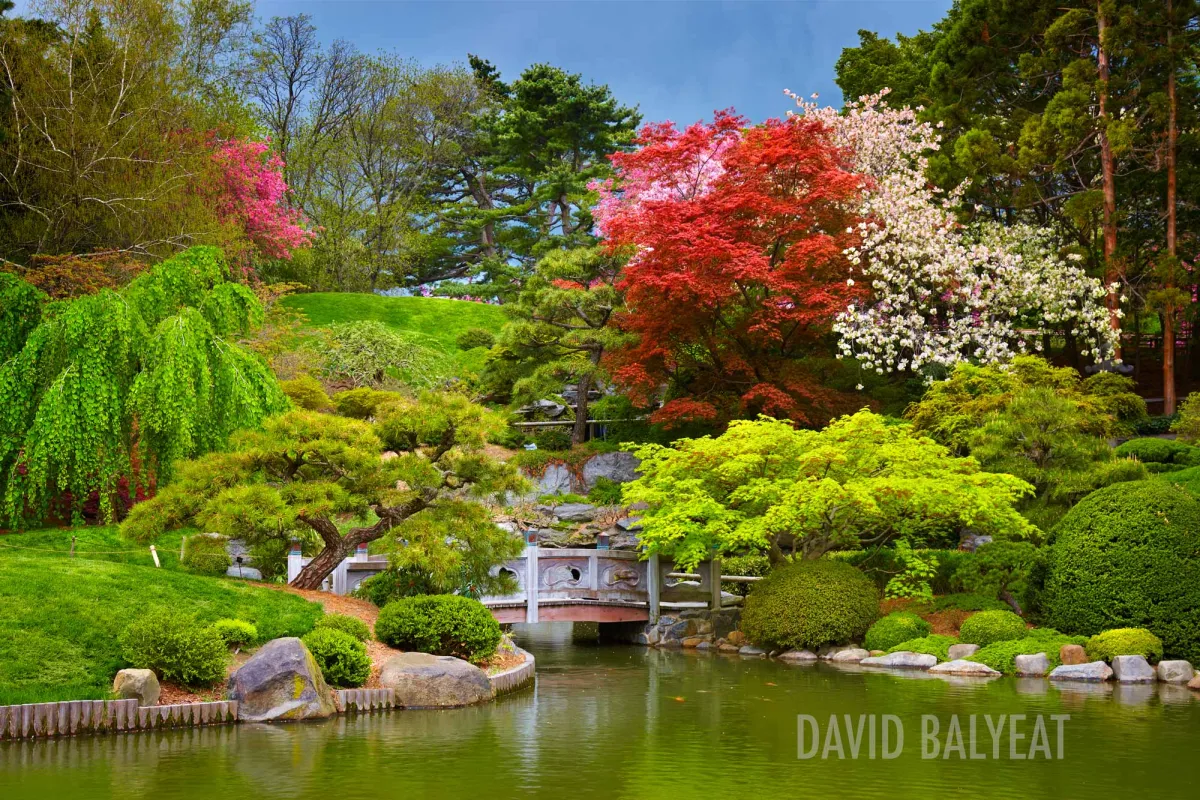 Photo: Brooklyn Botanic Garden, via davidbalyeat.com
This one is known for its incredible range. You might watch a traditional Noh theater performance in the afternoon and then catch a J-pop artist in the evening. Cosplay is absolutely welcome, and the crowd reflects just how many different communities find meaning and joy in Japanese culture. Taiko drumming, martial arts exhibitions, origami stations, kimono dressing experiences — it's all there.
The Brooklyn Botanic Garden's Japanese Hill-and-Pond Garden, one of the oldest Japanese-style gardens in the US, serves as a stunning backdrop throughout the weekend. Even if you've been before, it hits differently when the cherry trees are in bloom.
Aki Matsuri: Fall Festivals Worth Knowing About
Spring gets most of the attention, but autumn brings its own wave of Japanese cultural celebrations. Aki Matsuri (fall festivals) pop up in cities like Chicago, Seattle, San Francisco, and Houston, often organized by local Japanese American associations and cultural centers.
These tend to have a cozier, community-driven feel compared to the big spring events. You'll find traditional performing arts, cultural games, bonsai exhibitions, and plenty of home-style Japanese cooking. Some feature sake tastings and demonstrations by local Japanese artisans. If you're looking for something a bit more intimate and less tourist-heavy, an autumn matsuri is a great choice.
What to Bring and How to Prepare
No matter which festival you're heading to, a few things will make your experience better. Wear comfortable shoes — you'll be walking and possibly dancing. Bring cash, since many food and craft vendors don't take cards. If there's a yukata or happi coat in your closet, feel free to wear it; most festivals genuinely welcome it.
Most importantly, go with an open mind and a willingness to participate. Japanese cultural festivals in America are community spaces. They're designed to share, to teach, and to connect. Ask questions, try the food you've never heard of, and say yes to the origami demonstration even if you're convinced you'll mess it up.
Why These Festivals Matter
Japanese cultural festivals in America are more than entertainment. For Japanese Americans, they're a way of preserving heritage and passing traditions down through generations. For everyone else, they're an opportunity to build genuine cross-cultural understanding — the kind that goes deeper than a sushi restaurant or a Studio Ghibli movie.
At Kouenkai, we believe in the power of gathering to celebrate culture in shared spaces. These festivals embody exactly that spirit. So pick one, make the trip, and let yourself be swept up in something bigger than your everyday routine. The taiko drums are waiting.